
Table of Contents
ToggleSmartphones hold dozens of apps, yet most people use only a fraction of their potential. These apps tips can transform how users interact with their devices daily. The difference between a cluttered, distracting phone and a productivity powerhouse often comes down to a few smart adjustments. Whether someone spends hours scrolling or struggling to find the right app, small changes make a big impact. This guide covers practical apps tips that anyone can apply in minutes, from organizing home screens to managing storage effectively.
Key Takeaways
- Organize your home screen by placing frequently used apps in easy-to-reach spots and grouping similar apps into folders for faster access.
- Control notification settings to minimize distractions—disable non-essential alerts and use scheduled summaries to stay focused.
- Explore built-in phone features like document scanning, screen recording, and text shortcuts before downloading third-party apps.
- Keep apps updated automatically and review permissions regularly to protect your device from security vulnerabilities.
- Free up storage by offloading unused apps, clearing caches, and deleting content you no longer need.
- Apply these apps tips consistently to transform your smartphone from a source of distraction into a productivity tool.
Organize Your Home Screen for Quick Access
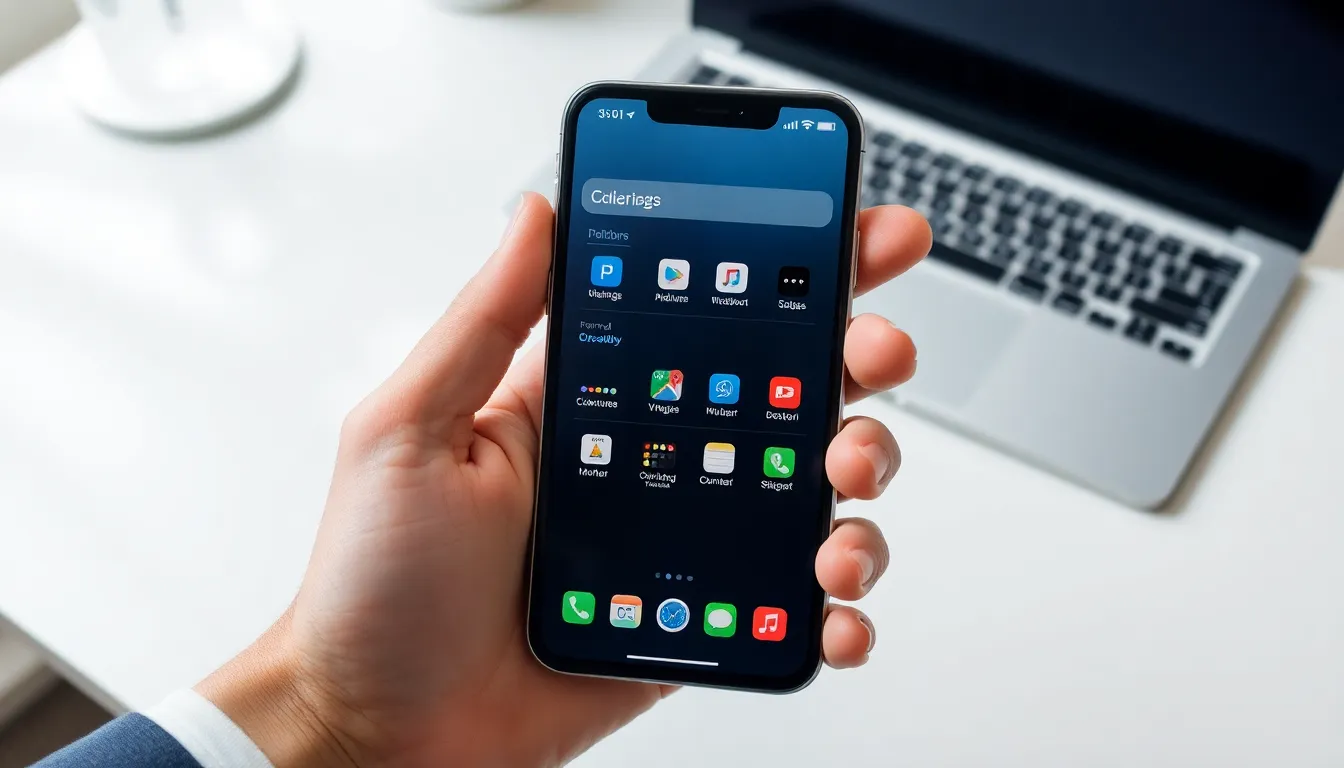
A messy home screen wastes time. Users tap through multiple pages searching for apps they use every day. Smart organization fixes this problem fast.
Start by placing the most-used apps on the first home screen. Think about which apps get opened ten or more times daily. These deserve prime real estate, the bottom row or center of the screen where thumbs naturally rest.
Folders help group similar apps together. Create folders for categories like “Social,” “Work,” “Finance,” or “Entertainment.” This approach keeps the home screen clean while making apps easy to find. One of the best apps tips here: name folders with single words or even emojis for faster visual scanning.
Widgets add another layer of efficiency. Calendar widgets show upcoming events at a glance. Weather widgets eliminate the need to open an app entirely. Most phones allow users to stack widgets, saving space while displaying useful information.
Consider removing apps from the home screen that get used rarely. They can still live in the app drawer or library. This simple apps tip reduces visual clutter and helps users focus on what matters.
Master Notification Settings to Stay Focused
Notifications interrupt focus constantly. Studies show it takes an average of 23 minutes to regain concentration after a distraction. Controlling notifications ranks among the most valuable apps tips for productivity.
Most apps request notification permissions during installation. Users often tap “Allow” without thinking. Take time to audit these permissions regularly. Go to Settings, then Notifications, and review each app individually.
Not every app needs notification access. Games, shopping apps, and social media platforms often send promotional alerts disguised as important updates. Turn these off completely or set them to “silent delivery” so they appear in the notification center without buzzing or lighting up the screen.
Scheduled notification summaries offer another solution. Both iOS and Android allow users to batch non-urgent notifications and deliver them at specific times. This apps tip keeps users informed without constant interruptions throughout the day.
For truly focused work sessions, Do Not Disturb modes block everything except calls from favorite contacts. Some phones even offer Focus modes that limit which apps can send alerts during specific activities like work, sleep, or exercise.
Use Built-In Features You Might Be Missing
Many users download third-party apps for features their phones already include. Exploring built-in tools saves storage space and often works more smoothly with the operating system.
Document scanning hides in most camera apps or note-taking apps. Users can scan receipts, contracts, or business cards without installing a separate scanner app. The results automatically save as PDFs.
Screen recording comes standard on most modern phones. Content creators and anyone who needs to demonstrate app functions can access this tool through control center settings. No additional apps required.
Text replacement shortcuts speed up typing significantly. Add common phrases, email addresses, or responses as shortcuts. Type “@@” and the full email address appears. This apps tip alone saves minutes every day.
Accessibility features benefit everyone, not just those with disabilities. Text-to-speech reads articles aloud during commutes. Voice control operates the phone hands-free. Magnifier turns the camera into a zoom tool for reading small print.
Don’t overlook automation features either. Both Shortcuts on iOS and Routines on Android let users create automated sequences. A morning routine might turn off Do Not Disturb, show the weather, and play a news briefing, all triggered by one tap or voice command.
Keep Your Apps Updated and Secure
Outdated apps create security risks. Developers release updates that patch vulnerabilities, fix bugs, and add new features. Ignoring updates leaves devices exposed.
Enable automatic updates to stay protected without manual effort. Go to the app store settings and toggle on automatic updates. Users can choose to update only over Wi-Fi to avoid using mobile data.
Review app permissions periodically. An apps tip many overlook: permissions granted years ago may no longer make sense. Does that flashlight app really need access to contacts? Probably not. Remove unnecessary permissions through device settings.
Two-factor authentication adds security to important apps. Banking apps, email, and social media accounts all benefit from this extra layer. Most apps now offer biometric options like fingerprint or face recognition for quick, secure access.
Check which apps have access to location data. Some apps track location constantly when they only need it occasionally. Switch these to “While Using” rather than “Always” to protect privacy and save battery life.
Delete apps from unknown developers or those that haven’t been updated in over a year. Abandoned apps often contain security flaws that never get fixed.
Manage Storage by Clearing Unused Apps
Storage fills up faster than expected. Apps, cached data, and downloaded content consume gigabytes over time. Regular cleanup keeps devices running smoothly.
Check storage usage in device settings. Both iOS and Android show which apps take up the most space. Games and streaming apps often store large amounts of data locally.
Offload unused apps instead of deleting them completely. This apps tip works well for seasonal apps or those used rarely. The app icon stays on the device, but the app data gets removed. Reinstalling restores everything without losing saved information.
Clear app caches regularly. Social media apps and browsers store temporary files that accumulate quickly. Clearing these caches frees space without affecting app functionality.
Review downloaded content within apps. Music, podcasts, and videos saved for offline use take significant storage. Delete finished content or switch to streaming when possible.
Consider cloud storage for photos and documents. This reduces local storage needs while keeping files accessible from any device. Most phones offer automatic cloud backup that works in the background.
Uninstall apps that haven’t been opened in three months. If users haven’t needed an app in that time, they likely won’t miss it. This apps tip keeps devices lean and responsive.


