
Table of Contents
ToggleLearning how to use tools properly can save time, money, and frustration on any project. Whether someone is hanging a picture frame or building a deck, the right tool makes the difference between a finished job and a headache. This guide covers the essentials, from selecting the right tool for the task to keeping equipment in top shape. Beginners will find practical advice they can apply immediately, while even experienced DIYers might pick up a useful tip or two.
Key Takeaways
- Learning how to use tools properly starts with selecting the right tool for the material, action, and precision level your project requires.
- Invest in quality over quantity—a few well-made essential tools outperform a cheap set filled with items you’ll never use.
- Master hand tools like hammers, screwdrivers, and tape measures first, as they teach fundamentals that apply to all equipment.
- Power tools save significant time but demand respect—always let blades reach full speed and never disable safety features.
- Protect yourself with safety glasses, work gloves, and hearing protection, and always secure your workpiece before cutting or drilling.
- Proper tool maintenance—cleaning, sharpening, and correct storage—extends tool life and prevents dangerous malfunctions.
Understanding the Basics of Tool Selection
Choosing the right tool starts with understanding the task at hand. A hammer works great for driving nails, but it won’t help much when cutting a board. This seems obvious, yet many beginners grab whatever’s closest and hope for the best.
Before starting any project, users should ask three questions:
- What material am I working with? Wood, metal, and plastic each require different tools.
- What action do I need to perform? Cutting, fastening, measuring, and shaping all demand specific equipment.
- What level of precision does the job require? A rough cut needs different tools than a finish cut.
Quality matters more than quantity. A well-made hammer that lasts twenty years beats a cheap one that breaks after six months. Beginners often make the mistake of buying complete tool sets filled with items they’ll never use. Instead, they should start with a few essential tools and add others as specific projects demand them.
The grip and weight of a tool also affect how to use tools effectively. A tool that feels uncomfortable will lead to poor results and sore hands. When possible, people should hold a tool before buying it to check the fit.
Essential Hand Tools Everyone Should Know
Hand tools form the foundation of any toolkit. They require no electricity, rarely break, and teach users the fundamentals of how to use tools correctly.
Hammer: A 16-ounce claw hammer handles most household tasks. The flat face drives nails, while the claw removes them. Grip the handle near the end for maximum leverage.
Screwdrivers: Every toolkit needs both flathead and Phillips head screwdrivers in multiple sizes. Using the wrong size strips screw heads and damages the driver.
Tape Measure: A 25-foot tape measure covers most projects. The hook at the end should slide slightly, this compensates for the hook’s thickness when measuring inside versus outside dimensions.
Pliers: Needle-nose pliers grip small objects, while slip-joint pliers handle larger items. Locking pliers (often called Vise-Grips) clamp onto objects and stay in place.
Adjustable Wrench: This single tool replaces a whole set of fixed wrenches. Users should position it so the jaw opening faces the direction of the turning force.
Utility Knife: A sharp blade cuts cardboard, drywall, rope, and countless other materials. Always cut away from the body and retract the blade when not in use.
Level: Even a basic 9-inch torpedo level ensures shelves hang straight and pictures don’t tilt. The bubble should rest between the two lines for a true reading.
Mastering these hand tools teaches the principles that apply to all equipment. Speed comes later, accuracy comes first.
Power Tools and When to Use Them
Power tools multiply human effort. Tasks that would take hours by hand finish in minutes. But power tools also demand more respect, they can cause serious injury if misused.
Cordless Drill: This is often the first power tool beginners should buy. It drives screws, drills holes, and accepts various attachments. Modern lithium-ion batteries hold charges for months and recharge quickly.
Circular Saw: When a project requires cutting boards to length, a circular saw handles the job efficiently. Users should clamp the workpiece securely and let the blade reach full speed before cutting.
Jigsaw: Curved cuts and interior cutouts require a jigsaw. The blade moves up and down, allowing the user to follow lines and create shapes impossible with a circular saw.
Orbital Sander: Smoothing wood by hand takes forever. An orbital sander does the same work in a fraction of the time. Start with coarse grit sandpaper and progress to finer grits for a smooth finish.
Reciprocating Saw: Demolition work calls for a reciprocating saw. It cuts through wood, metal, and plastic with different blade types. The tool excels at rough cuts and tight spaces.
Knowing how to use tools with motors requires understanding their limitations. Power tools generate heat, throw debris, and create noise. They also require maintenance, dull blades and worn brushes reduce performance and increase danger.
Safety Tips for Working With Tools
Tools help people build things, but they can also hurt them. Every year, emergency rooms treat thousands of tool-related injuries. Most of these accidents are preventable.
Wear protective gear. Safety glasses protect eyes from flying debris. Work gloves guard hands against splinters and sharp edges. Hearing protection prevents long-term damage from power tool noise.
Keep the workspace clean. Clutter leads to tripped hazards and lost tools. Sawdust and wood shavings create slipping risks. A clean shop is a safer shop.
Inspect tools before use. Cracked handles, loose heads, and frayed cords cause accidents. Users should check their equipment each time they pick it up.
Use tools for their intended purpose. A screwdriver is not a pry bar. A wrench is not a hammer. Misusing tools damages them and puts the user at risk.
Secure the workpiece. Materials that move during cutting or drilling cause injuries. Clamps, vises, and workbenches keep projects stable.
Never disable safety features. Blade guards, trigger locks, and safety switches exist for good reasons. Removing them to save a few seconds can cost fingers, or worse.
Stay focused. Fatigue, distraction, and rushing cause mistakes. When tired or frustrated, users should put down the tool and take a break. The project will still be there tomorrow.
Proper Tool Maintenance and Storage
Tools represent an investment. Proper care extends their life and keeps them working effectively. Neglected tools become dangerous tools.
Clean tools after each use. Wipe down metal surfaces to remove moisture and prevent rust. Brush sawdust from power tool vents. Remove any built-up residue from blades and bits.
Keep cutting edges sharp. Dull tools require more force, which leads to slipping and accidents. Users should learn to sharpen their own tools or find a professional sharpening service.
Lubricate moving parts. A drop of oil on pivot points keeps pliers, adjustable wrenches, and other tools operating smoothly. Power tools benefit from periodic lubrication according to manufacturer instructions.
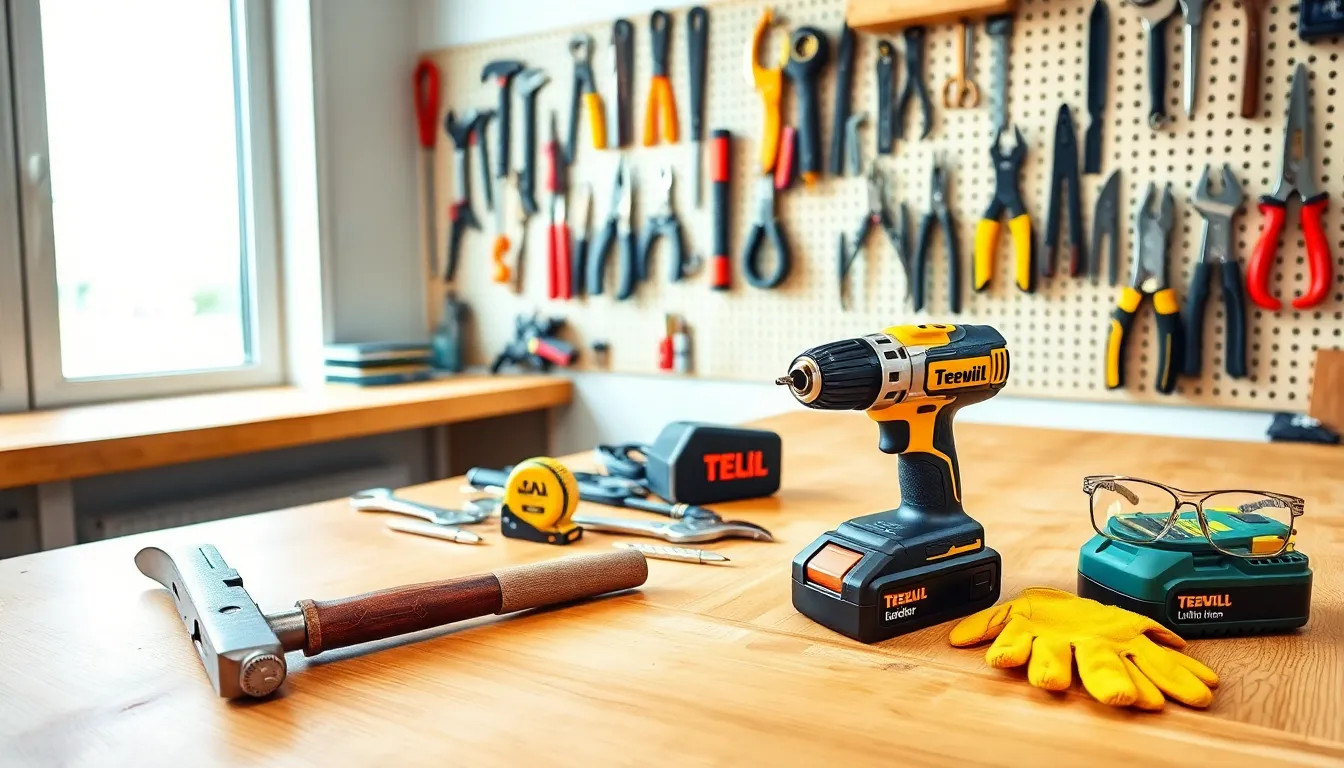
Store tools properly. Humidity causes rust, so a climate-controlled space works best. Hanging tools on a pegboard keeps them organized and visible. Foam-lined drawers protect precision instruments.
Replace worn parts. Batteries lose capacity over time. Saw blades dull. Sandpaper wears out. Replacing consumable parts before they fail prevents poor results and potential hazards.
Keep power tool cords in good condition. Frayed or damaged cords create electrical hazards. Users should never carry a tool by its cord or yank the cord to unplug it.
Good maintenance habits take minutes but save hours of frustration. A well-cared-for tool rewards its owner with years of reliable service.


