
Table of Contents
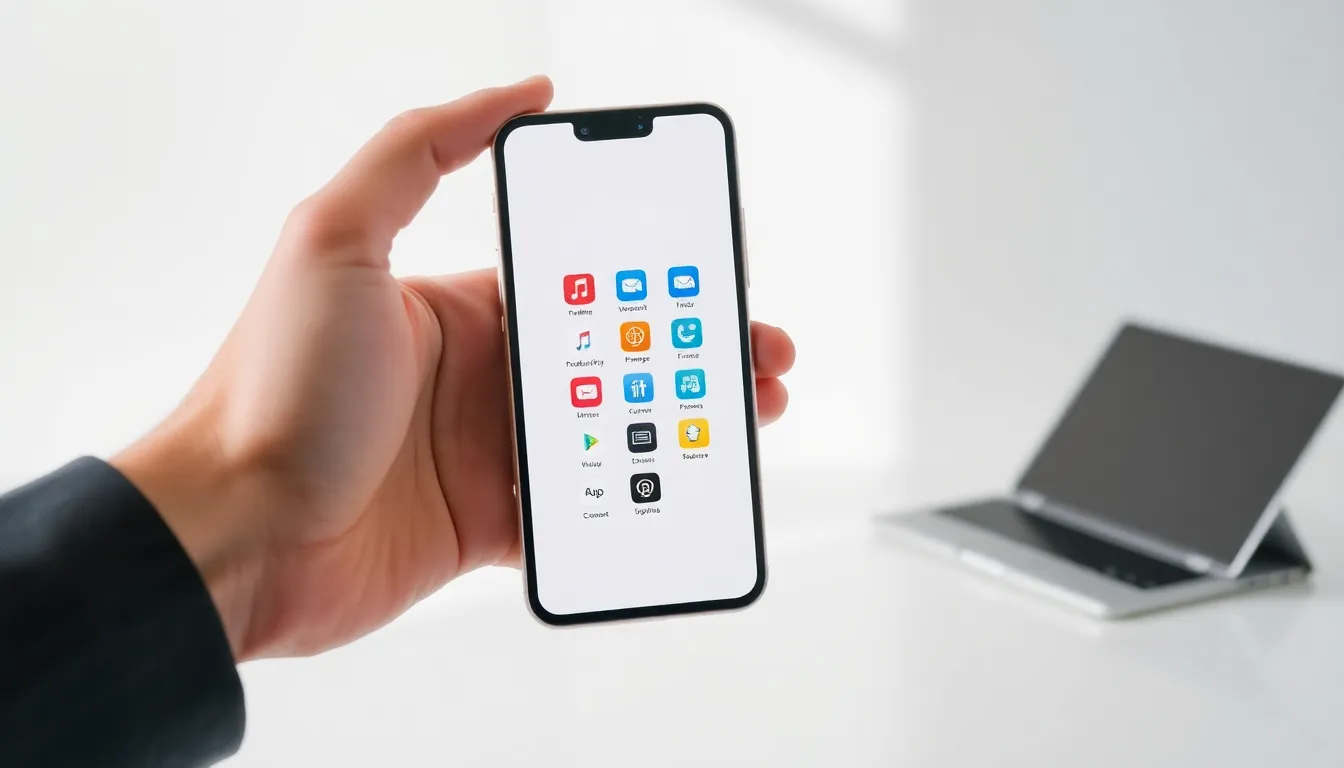
ToggleWhat is an app? This question has become essential as software applications now shape daily routines for billions of people. An app, short for application, is a software program designed to perform specific tasks on devices like smartphones, computers, and tablets. From checking the weather to managing finances, apps have become tools people rely on constantly. This guide explains what apps are, how they work, and why they matter. Readers will gain a clear understanding of the different types of apps and their functions in modern life.
Key Takeaways
- An app is a software program designed to perform specific tasks on devices like smartphones, computers, and tablets.
- Apps come in three main types: mobile apps, desktop apps, and web apps—each serving different needs and platforms.
- Mobile apps dominate daily technology use, with smartphone users spending over four hours per day using them.
- Apps work through code that creates user interfaces, processes data, and connects to servers via APIs.
- Understanding what apps are helps explain their transformative impact on productivity, communication, and business.
- While apps offer convenience, users should remain aware of privacy, security, and screen time considerations.
The Definition of an App
An app is a software program created to help users complete specific tasks. The term “app” serves as shorthand for “application software.” Apps differ from system software, which runs a device’s core functions. Instead, apps sit on top of the operating system and provide direct value to users.
Every app has a purpose. Some apps help people communicate. Others provide entertainment, productivity tools, or access to information. The defining feature of any app is its focus on solving a particular problem or meeting a specific need.
Apps exist across all computing platforms. Smartphones popularized the term, but apps run on tablets, laptops, desktop computers, smartwatches, and even smart TVs. The Google Play Store and Apple App Store together host millions of apps available for download. Desktop operating systems like Windows and macOS also support thousands of applications.
The simplest way to think about an app is this: if software helps users do something specific, it qualifies as an app. A calculator app performs math. A music app plays songs. A banking app manages money. Each app delivers focused functionality to its users.
Types of Apps You Use Every Day
Apps come in three main categories: mobile apps, desktop apps, and web apps. Each type serves different needs and operates on different platforms.
Mobile Apps
Mobile apps run on smartphones and tablets. Users download these apps from stores like Google Play or the Apple App Store. Mobile apps take advantage of device features like cameras, GPS, and touchscreens.
Popular mobile apps include social media platforms, messaging services, games, and navigation tools. These apps are optimized for smaller screens and touch-based interaction. Many mobile apps work offline, storing data directly on the device.
Mobile apps dominate how people interact with technology today. Studies show smartphone users spend over four hours daily using apps. This category has grown rapidly since Apple launched its App Store in 2008.
Desktop Apps
Desktop apps run on personal computers and laptops. These apps typically offer more features and processing power than their mobile counterparts. Users install desktop apps directly onto their hard drives.
Examples include word processors, video editing software, and professional design tools. Desktop apps handle complex tasks that require larger screens and more computing resources. Many businesses rely on desktop apps for accounting, project management, and data analysis.
Desktop apps have existed since the earliest days of personal computing. While mobile apps have gained popularity, desktop apps remain essential for professional work and content creation.
Web Apps
Web apps run inside internet browsers. Users access these apps through URLs rather than downloading software. Web apps store data on remote servers, making them accessible from any device with internet access.
Google Docs, online banking portals, and email services like Gmail function as web apps. These apps update automatically without user intervention. They also work across different operating systems since they only require a browser.
Web apps have grown popular because they eliminate installation hassles. Users simply visit a website and start working. This approach makes web apps convenient for collaboration and remote access.
How Apps Work
Apps function through code that tells devices what to do. Developers write this code using programming languages like Swift, Java, Python, or JavaScript. The choice of language depends on the platform and app type.
Most apps follow a basic structure. They have a user interface that people see and interact with. Behind this interface, backend code processes data and executes commands. Many apps also connect to servers that store information and enable features like syncing across devices.
When someone opens an app, the device’s operating system loads the program into memory. The app then displays its interface and waits for user input. Tapping a button or entering text triggers the app to perform specific actions.
Apps communicate with servers through APIs (Application Programming Interfaces). APIs allow apps to request data, verify user credentials, and sync information. A weather app, for instance, uses an API to fetch current conditions from a meteorological database.
App performance depends on efficient code and device capabilities. Well-designed apps respond quickly and use battery power sparingly. Poorly optimized apps drain resources and frustrate users. This balance between functionality and efficiency defines quality app development.
Why Apps Matter in Modern Life
Apps have transformed how people work, communicate, and access services. They bring powerful tools into pockets and homes worldwide. Understanding what apps do helps explain their importance.
Productivity has increased dramatically because of apps. Tasks that once required office visits now happen instantly on phones. Banking apps let users transfer money in seconds. Healthcare apps enable virtual doctor consultations. Education apps provide courses from universities around the world.
Communication has also changed completely. Messaging apps connect billions of people across continents. Video calling apps bring families together even though distance. Social media apps create communities around shared interests.
Businesses depend on apps to reach customers. Companies build mobile apps to sell products, provide support, and build brand loyalty. The app economy generates hundreds of billions of dollars annually. Entire industries have emerged around app development and distribution.
Apps also raise important considerations. Privacy concerns exist as apps collect user data. Screen time habits worry health experts. Security vulnerabilities can expose personal information. Smart app usage requires awareness of these issues.
Even though concerns, apps remain central to digital life. They simplify complex tasks, connect communities, and enable new possibilities. Their influence continues to grow as technology advances.


